Back pain can change how you sit, sleep, work, exercise, and care for the people around you. A useful evaluation looks beyond the painful spot and connects your symptoms with movement, strength, mobility, recent changes in activity, and the goals that matter to you.
What can cause low back pain or pain that travels into the leg?
Low back pain may follow a lifting episode, a long period of sitting, a change in training, a fall, or a gradual increase in daily demands. Muscle strain, joint irritation, disc-related pain, hip limitations, and sensitivity of a nerve can feel similar at first. That is why the location of pain alone does not determine the right plan.
Pain that travels through the buttock or leg is often described as sciatica. A physical therapist looks at strength, sensation, reflexes when appropriate, walking, spinal movement, and positions that change the symptoms. The findings help determine whether physical therapy is appropriate and whether another medical evaluation should come first.
How are herniated discs, stenosis, and post-surgical symptoms approached?
A disc finding on an MRI is one part of the picture. The clinical examination considers how the finding relates to your symptoms and whether certain directions, loads, or positions make daily activities easier or harder. Treatment may include education, movement practice, manual therapy, and gradual strength work when those tools fit the presentation.
People recovering from spinal surgery should bring the surgeon’s protocol and available imaging or visit notes. Elev8 can work within those restrictions, communicate questions when needed, and adjust activity as healing progresses. A plan is not copied from a generic timeline because the procedure, symptoms, and functional goals all matter.
What happens during a back pain evaluation?
The first visit starts with a conversation about when the symptoms began, what changes them, what you have already tried, and what you need to get back to. Dr. Kenneth Nwosu then observes movement and tests relevant mobility, strength, balance, hip function, trunk control, and tolerance for everyday positions.
You leave with an explanation of the working findings and practical next steps. Depending on the examination, the first session may include hands-on care, an exercise, a position change, or a strategy for pacing activity. The goal is a clear plan you can understand and use between visits.
What might a back pain treatment plan include?
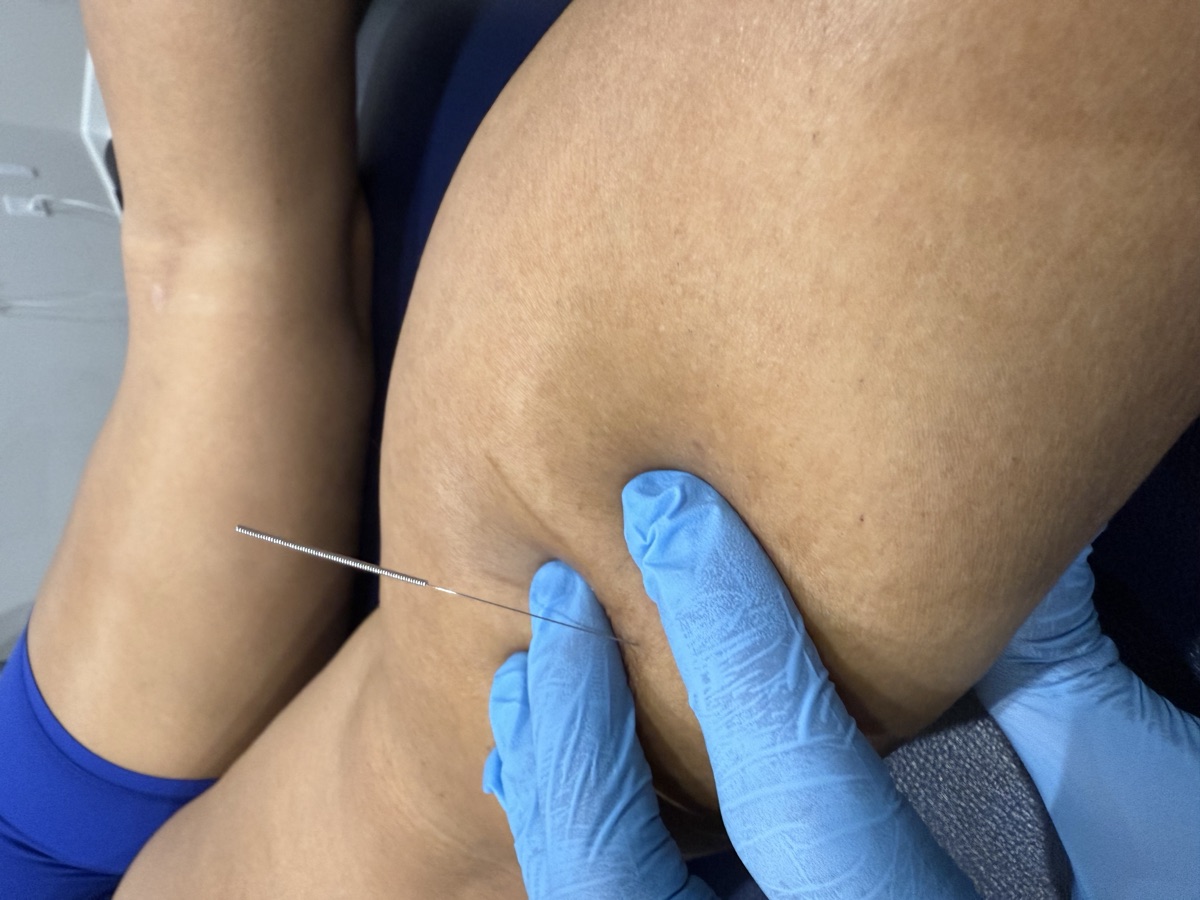
A plan may combine manual therapy with exercises that improve mobility, trunk control, hip strength, and confidence under load. The specific choices depend on your examination. Dry needling, cupping, or other hands-on techniques may be considered as part of a broader plan when they fit your goals and tolerance.
Home work should be specific enough to use in real life. You may practice a small number of movements, change how you approach a repeated task, and gradually reintroduce lifting, walking, recreation, or sport. Progress is reviewed by looking at function, symptom response, and the demands you want to resume.
How much does back pain physical therapy cost at Elev8?
Elev8 is a cash-pay practice. Current rates are discussed when you book, and the practice accepts Cash, Credit, FSA, and HSA. The site does not publish a fixed price on this page because the correct appointment type and current rate should come directly from the office.
No physician referral is required to start the conversation in Texas. If you have a recent operation, significant medical history, or questions about whether your symptoms need a medical workup, share that information when booking so the visit can be planned appropriately.
How long does recovery from back pain take?
Recovery depends on the irritability and duration of symptoms, the underlying findings, sleep and work demands, previous episodes, and how quickly you can resume useful movement. Some people need a short education and exercise plan, while persistent or post-surgical symptoms may require more structured progression.
A responsible plan does not promise a fixed result. Instead, it sets functional checkpoints such as sitting through a work block, walking farther, lifting with control, or returning to a training drill. If progress does not match the expected pattern, the plan can be reassessed and a referral considered.
When should back pain be medically evaluated urgently?
New bowel or bladder changes, numbness in the saddle area, progressive leg weakness, major trauma, fever with severe pain, or unexplained systemic symptoms warrant prompt medical attention. Severe or rapidly worsening symptoms should not be managed by trying to push through a home exercise plan.
Tell the office about red-flag symptoms before booking. Screening is part of deciding whether a physical therapy evaluation is the right next step. When a different level of care is needed, the safest plan is to contact the appropriate medical provider or emergency service.