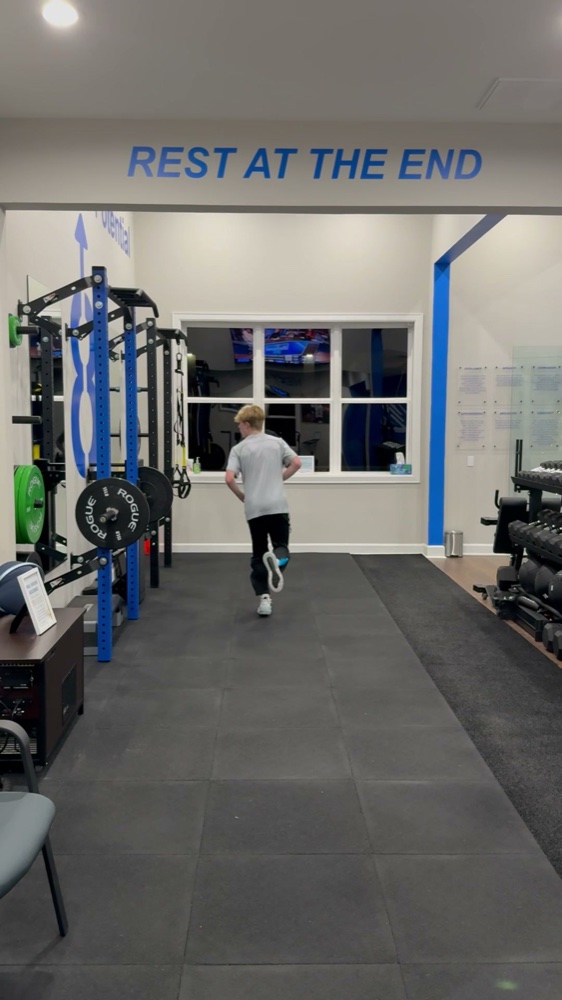
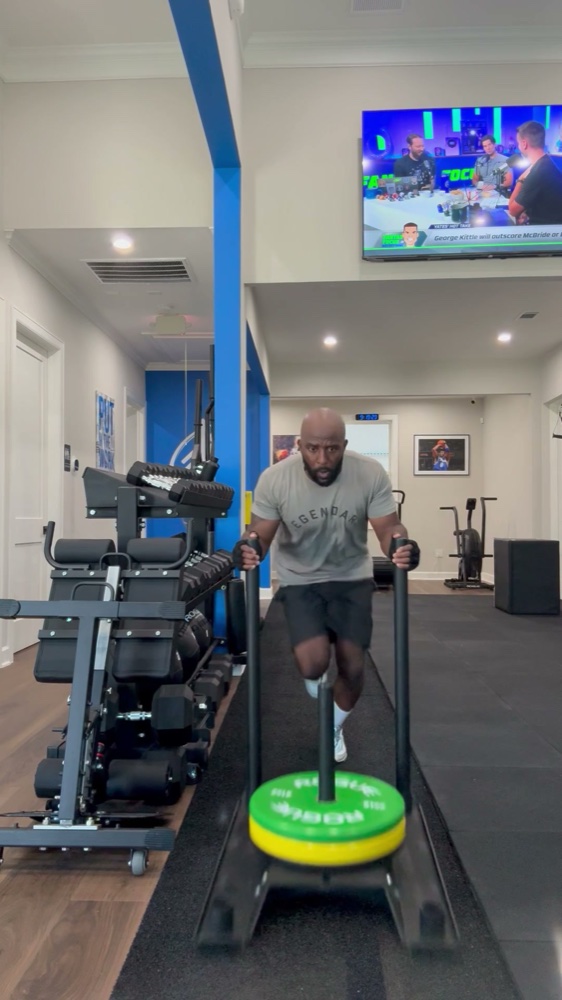
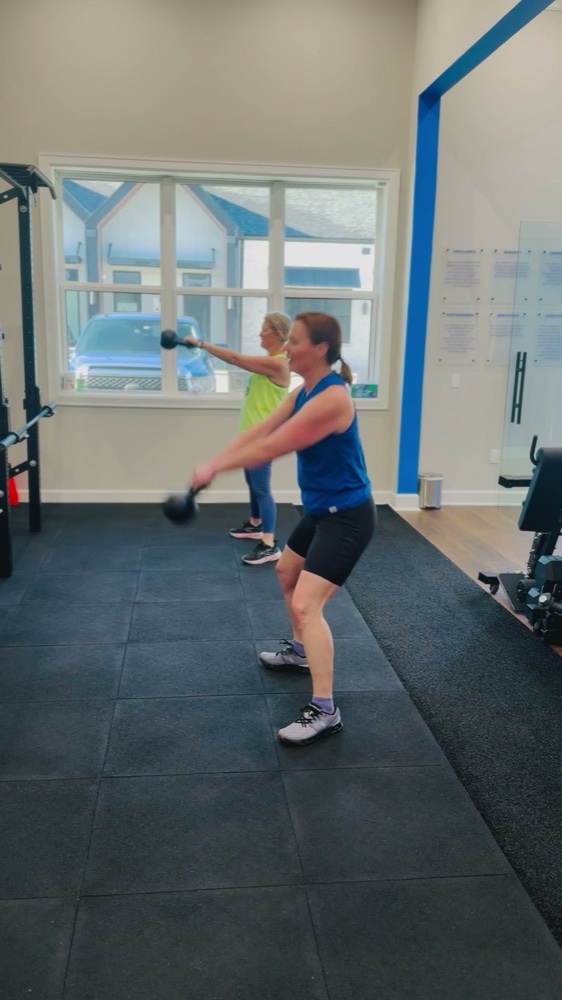
Sports rehabilitation is not only about making pain quieter. It is about rebuilding the strength, coordination, confidence, and sport-specific capacity needed for practice and competition. Elev8 lists one-on-one sports rehab, return-to-sport testing, biomechanics, and conditioning for youth and adult athletes.
Which sports injuries can be evaluated?
The page describes care for ACL injuries, labrum repairs, ankle sprains, and other youth and adult sports injuries. Athletes may also seek help for overuse pain, muscle strains, tendon problems, post-operative recovery, or a decline in performance that does not have one obvious injury.
The evaluation should identify the demands of the sport and position, the training schedule, the injured tissue or region, and the tasks that currently fail. A general exercise list is less useful than a progression linked to those demands.
What happens during a sports rehabilitation evaluation?
The visit begins with the injury history, current symptoms, previous treatment, and the athlete’s goals. Testing may include range of motion, strength, single-leg control, jumping or landing mechanics when appropriate, balance, and sport-specific movement. Post-operative care follows the surgeon’s protocol.
Testing is selected for the athlete and stage of recovery. It should be challenging enough to show useful information while staying within the current level of healing and symptom tolerance. The results shape the next training step rather than serving as a pass-or-fail label on their own.
How is return-to-sport readiness decided?
Return-to-sport decisions should consider more than the calendar. Strength, movement quality, workload tolerance, confidence, sport demands, and the medical protocol all matter. Dr. Nwosu’s sports rehab page describes objective testing such as strength comparisons, hop tests, and movement screens.
The right timeline varies by injury, procedure, training history, age, position, and response to loading. A responsible plan explains what the next checkpoint is and what needs to improve before the athlete advances.
What do the phases of sports rehab include?
Early care may focus on protecting healing tissue, reducing unnecessary irritation, maintaining safe movement, and restoring basic control. The middle phase usually adds progressive strength, balance, landing or cutting mechanics, and tolerance for repeated effort. Later work connects those abilities to drills and practice demands.
The phases are not identical for every athlete. A youth soccer player, a recreational runner, and an adult after shoulder surgery may need different constraints and coaching. The plan should be adjusted to the activity that will actually be performed.
How can athletes reduce the risk of repeating an injury?
Risk management can include strength, movement control, recovery habits, workload changes, warm-up choices, technique, and attention to early symptoms. The goal is not to promise that an injury cannot recur. It is to improve the factors the athlete can influence and make a plan for responding when training changes.
Families and coaches can help by sharing the practice schedule, competition calendar, equipment constraints, and expectations. Clear communication makes it easier to plan gradual exposure instead of swinging between complete rest and an immediate return to full effort.
How much does sports rehab cost and do you need a referral?
Elev8 is a cash-pay practice that accepts Cash, Credit, FSA, and HSA. Current rates are discussed when booking. Texas direct access means a physician referral is not required to request an evaluation, while post-operative athletes should bring the surgeon’s protocol and maintain communication with that team.
The office can confirm the current appointment format, rate, and availability. No page should promise an insurance benefit, a fixed number of sessions, or a guaranteed return date.
What should athletes and families ask before starting?
Ask who will provide each session, what testing is appropriate at the current stage, which training is allowed, how the plan will be measured, and what communication is needed with the surgeon, coach, or family. Bring any restrictions and the dates that matter to the athlete.
The strongest plan is understandable outside the clinic. Athletes should know what to practice, what to monitor, and which symptoms or performance changes mean the next step needs to be reviewed.
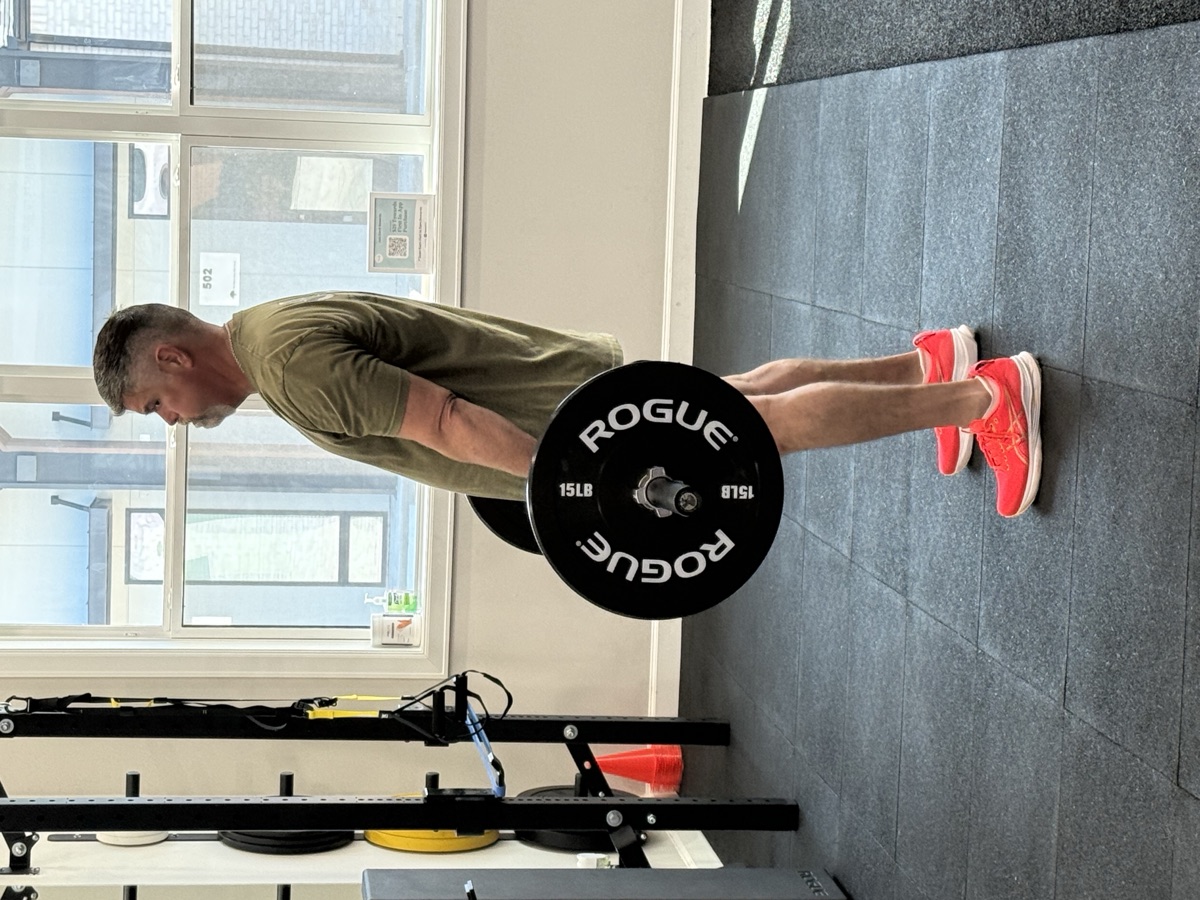
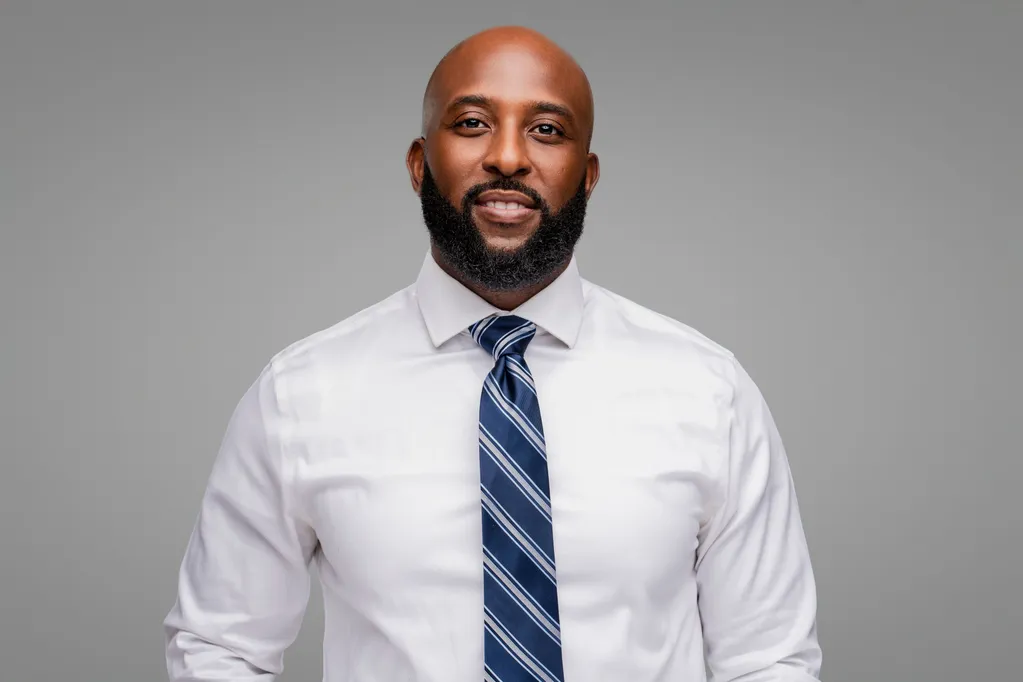 Dr. Ken, every session